Marketplace Development
Dinemarket
A restaurant supplies marketplace connecting kitchens with distributors
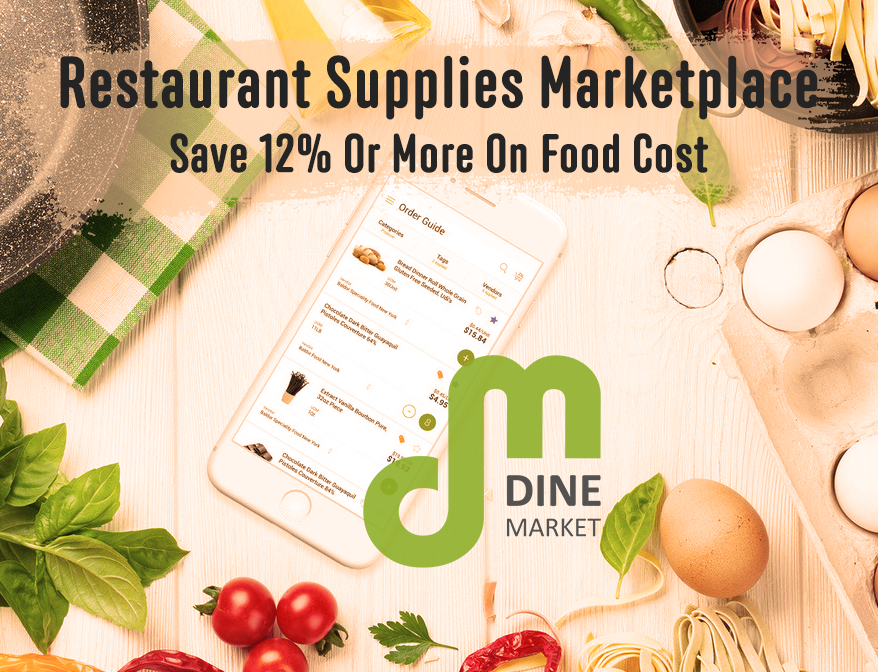
Dinemarket is a B2B marketplace where restaurants order from the local distributors already driving past their door. The food existed. The trucks existed. The ordering was phone calls, screenshots and a whiteboard — so that's what we replaced.
What it involved
- sides of the market
- 2sides of the market
- SKUs to normalise
- 1000sSKUs to normalise
- to place a repeat order
- <60sto place a repeat order
- fax machines involved
- 0fax machines involved
How it went
-
1Supply first
A marketplace with no shelves is a search engine for disappointment. We onboarded distributors first, absorbing their spreadsheets, unit quirks and negotiated prices before a single restaurant signed up.
-
2Reorder, not browse
Kitchens don't shop, they restock. The whole interface bends around the repeat order: last week's cart, one screen, thumb-sized targets, ordering done between services.
-
3Trust the boring parts
Cut-off times, substitutions, credits, delivery windows. Nobody demos this stuff, and it is exactly what makes a buyer come back next Tuesday.
“The friction was never the food. It was the twelve phone calls before the food.”
Small things worth knowing
- One distributor sold the same olive oil under four different unit names.
- Peak ordering happens late at night, after service — so the app was designed dark-kitchen friendly.
- The first paying order was placed from a walk-in fridge.
Questions answers
Buyers judge a marketplace in ten seconds by whether their usual items are there. Supply depth first, demand second.
Repeat-order defaults, a single-screen cart, and pricing that already reflects each buyer's negotiated terms.